




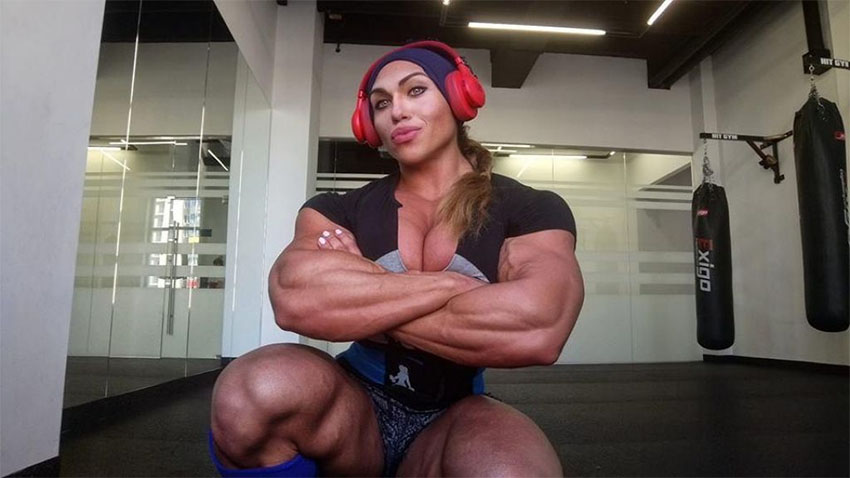

Bodybuilding is far more than just lifting weights or developing a muscular physique. It is an intricate blend of art, science, discipline, and mental fortitude. While the surface-level perception of bodybuilding often revolves around aesthetics, there is a deeper narrative that underscores the practice: a quest for personal transformation, both physically and mentally. Through dedicated training, strict nutritional regimens, and a relentless commitment to self-improvement, bodybuilding evolves into a lifestyle rather than just a form of exercise. This article delves into the multifaceted world of bodybuilding, exploring its history, scientific foundations, and the challenges that individuals face in their pursuit of excellence.
The Evolution of Bodybuilding
Bodybuilding as we know it today did not emerge overnight; rather, it evolved over centuries, gradually transforming into the highly popular and sophisticated discipline it is now. The roots of bodybuilding can be traced back to the early 19th century, where strongmen and athletes showcased their physical prowess in public exhibitions. These individuals, such as Eugen Sandow, often displayed impressive feats of strength, which captivated audiences and spurred an interest in muscular development.
In the early 1900s, Sandow is credited with popularizing the practice of posing to demonstrate muscle definition, and he is often regarded as the father of modern bodybuilding. His legacy set the stage for the first official bodybuilding competitions, such as the Mr. Olympia contest, which began in 1965. This event, which continues to be held annually, marks one of the most prestigious achievements in the bodybuilding community.
As bodybuilding evolved, it transcended its origins as a mere display of strength and became a serious sport, with training regimens becoming increasingly sophisticated. Pioneers like Arnold Schwarzenegger, who won the Mr. Olympia title seven times, played a key role in bringing bodybuilding into the mainstream. Schwarzenegger’s rise to fame both in bodybuilding and Hollywood helped to legitimize the sport, elevating it to a global phenomenon.
The Science Behind Building Muscle
At the heart of bodybuilding lies the science of muscle growth, a complex process known as hypertrophy. To understand bodybuilding at a deeper level, it is crucial to comprehend the mechanics of muscle development. When a person engages in resistance training, the muscle fibers experience microscopic tears. As the body repairs these tears, the muscle fibers become thicker and stronger, leading to hypertrophy. This process requires a combination of consistent weight training, proper recovery, and adequate nutrition to fuel muscle repair and growth.
Training for hypertrophy typically involves lifting moderate to heavy weights for higher rep ranges (typically between 6 to 12 reps per set), with a focus on time under tension, or the amount of time the muscle is actively engaged during each set. This creates the optimal environment for muscle growth by recruiting more muscle fibers and stimulating the release of growth hormones such as testosterone and human growth hormone (HGH).
Nutrition is a critical component of the bodybuilding process. Muscles require a surplus of calories, protein, and other nutrients to rebuild and grow after intense training sessions. A typical bodybuilding diet involves high protein intake, often in the form of lean meats, fish, eggs, and plant-based sources like legumes and tofu. Carbohydrates are equally important, as they provide the energy necessary to fuel intense workouts. Healthy fats, including those from sources like avocados, nuts, and olive oil, support hormone production and overall health.
Equally crucial to muscle growth is rest. Muscles don’t grow during workouts—they grow during recovery. Proper sleep, typically between seven to nine hours per night, is essential for muscle repair and growth. Overtraining, or failing to allow sufficient recovery time, can actually hinder progress and increase the risk of injury.
The Discipline of Bodybuilding
The road to achieving a well-developed, muscular physique is not paved with shortcuts. It requires an immense level of discipline and consistency. A bodybuilder’s life is often regimented around their training schedules, meal plans, and sleep routines. Every meal is carefully calculated, every workout is meticulously planned, and every ounce of energy is dedicated to improving their physical and mental state.
The mental aspect of bodybuilding is just as significant as the physical component. Bodybuilders must push through fatigue, soreness, and self-doubt. There are days when progress seems elusive, and the temptation to skip a workout or indulge in unhealthy food is overwhelming. However, it is during these challenging moments that the true essence of bodybuilding shines: the unwavering dedication to improvement, no matter the obstacles.
Bodybuilding also requires a great deal of patience. Unlike many forms of exercise where progress can be measured quickly, bodybuilding is a slow and gradual journey. Muscle growth takes time, and the process is often non-linear. A bodybuilder might experience periods of rapid gains, followed by times when progress stalls or plateaus. It is during these moments that perseverance is most crucial, as they require a shift in mindset and a recommitment to the process.
The Challenges of Bodybuilding
While bodybuilding offers immense physical and mental rewards, it is not without its challenges. One of the most significant hurdles that bodybuilders face is the physical toll that intense training can take on the body. The high volume of weightlifting and cardio, combined with the strict dietary requirements, can lead to injuries if not managed properly. Common injuries in bodybuilding include muscle strains, joint pain, and overuse injuries, particularly in the shoulders, knees, and lower back.
Another challenge is the psychological impact of the sport. The focus on physique and appearance can sometimes lead to body image issues, particularly in competitive bodybuilding where individuals are judged based on their symmetry, muscle definition, and size. Some athletes may develop unhealthy relationships with food, engaging in extreme dieting practices to reach their ideal physique. Additionally, the pressure to maintain a certain look year-round can lead to burnout or emotional stress.
For competitive bodybuilders, the journey culminates in the preparation for competitions, which often involves weeks or even months of strict dieting and intense training. This phase, known as “cutting,” focuses on reducing body fat to achieve a lean, shredded appearance. It is during this period that many bodybuilders experience extreme physical and emotional challenges, including fatigue, hunger, and mental strain. However, the discipline and perseverance required to push through these challenges are part of what makes bodybuilding such a remarkable pursuit.
Conclusion
Bodybuilding is more than just a sport—it is a lifestyle that demands an extraordinary commitment to physical and mental growth. From its rich history to the science of muscle development, bodybuilding is a journey that requires knowledge, dedication, and resilience. While it is undoubtedly a challenging pursuit, the rewards—both in terms of physical transformation and personal growth—are unparalleled. Those who embrace the discipline of bodybuilding often find themselves not only building stronger, more muscular bodies but also developing an inner strength that transcends the gym. Whether for aesthetic purposes or as a competitive endeavor, bodybuilding remains a testament to the power of human determination and the endless pursuit of self-improvement.