
Where stability becomes a choice, not a struggle
Strength work often reaches a point where effort alone no longer limits progress. The body feels ready, yet stability wavers under heavier loads. That moment is familiar to many lifters who train with intention. Progress slows not because of weakness, but because control matters more than force. This shift changes how support gear fits into training.
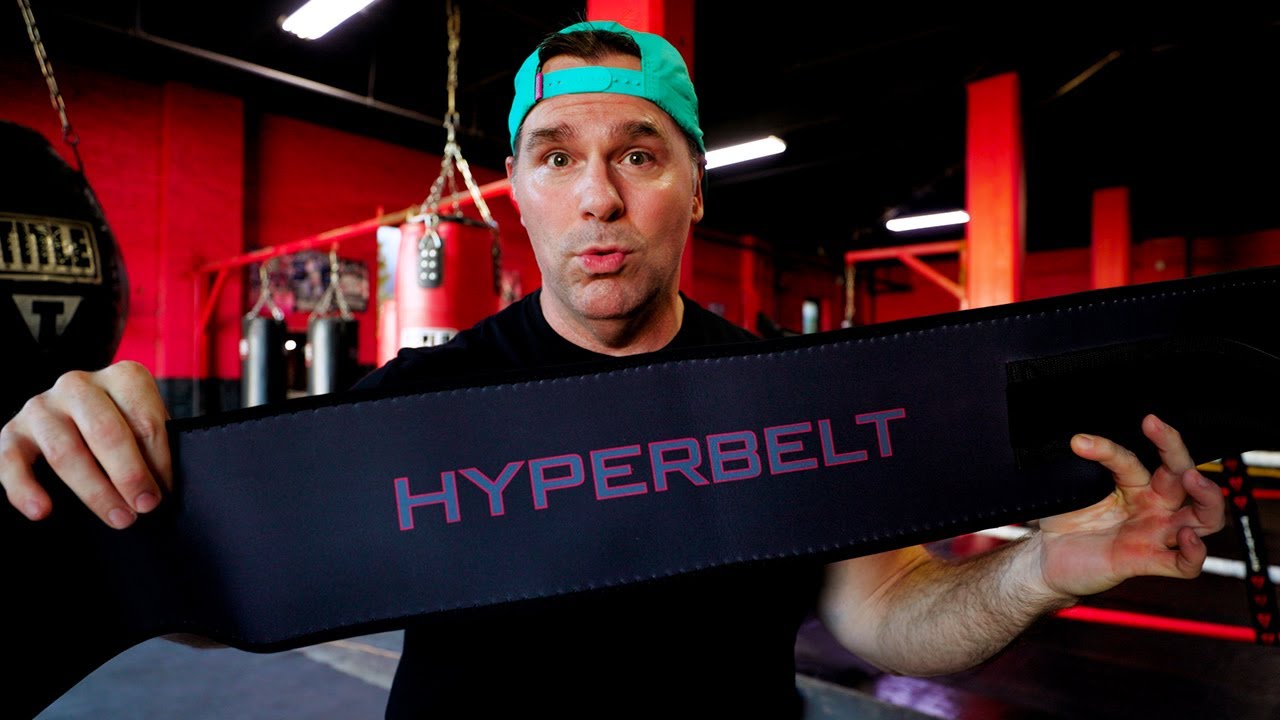
As lifts grow heavier, smart lifters seek tools that add structure without altering movement. Support becomes valuable when it works with technique instead of against it. Many athletes reach consistency when their training is supported by equipment like the Versa Gripps Hyperbelt, which focuses on core stability while allowing natural motion. This approach avoids bulk while reinforcing bracing habits.
This guide explores how this belt style works, why its design stands out, and when it fits best into training routines. Rather than hype, the focus stays on mechanics and practical use. By understanding how targeted support influences strength and safety, lifters can make decisions that support long-term progress. Confidence under load starts with preparation, not guesswork.
What the Versa Gripps Hyperbelt is designed to do
The primary role of a lifting belt is to improve core stability. The Hyperbelt approaches this with a streamlined design. Instead of excess stiffness, it offers focused support where bracing matters most. This balance helps maintain natural movement patterns.
During heavy lifts, intra-abdominal pressure plays a key role. A well-designed belt gives the core something to brace against. This increases stability through the torso. As a result, the spine stays supported without locking the body into one position.
The Hyperbelt emphasizes comfort and function together. Its shape reduces pressure points around the ribs and hips. This allows lifters to maintain tightness without distraction. Over time, consistency improves because the belt stays wearable across sessions.
Core design goals include
- Targeted support for bracing
- Freedom of movement during lifts
- Reduced bulk and pressure points
- Consistent fit under load
Design choices here aim to support strength without limiting form.
How does this belt fit into different lifting styles
Not every lifter trains the same way. Some focus on maximal strength. Others prioritize volume or mixed movements. The Hyperbelt fits best where control and repetition matter as much as peak load.
For compound lifts like squats and deadlifts, stability improves without feeling restrictive. Lifters can brace hard while still moving freely through the lift. This balance supports cleaner reps and better force transfer.
The belt also suits athletes who train frequently. Comfort matters when sessions stack up. A belt that feels natural reduces fatigue related to gear. That comfort encourages consistent use rather than avoidance.
Training styles that benefit include
- Heavy compound-focused programs
- High frequency strength routines
- Mixed strength and conditioning work
- Technique-driven lifting phases
Versatility makes the belt easier to integrate long-term.
Why design simplicity improves training focus
Complex gear often distracts more than it helps. Extra bulk, stiff edges, or awkward closures pull attention away from the lift. A simpler design keeps the focus where it belongs.
The Hyperbelt avoids unnecessary elements. Its streamlined profile reduces setup time. This matters when training flow counts. Fewer adjustments mean smoother sessions.
Simplicity also supports habit building. When gear feels intuitive, lifters use it correctly more often. This reinforces proper bracing rather than dependence.
Focus benefits include
- Faster setup between sets
- Less distraction during lifts
- Better consistency in bracing
- Reduced mental fatigue
When equipment fades into the background, performance steps forward.
How proper belt use supports long-term lifting safety
Belts work best when paired with sound technique. The Hyperbelt encourages proper bracing by design. This reinforces core engagement over time.
As fatigue builds in longer sessions, form often slips. Support helps maintain posture through later sets. This consistency lowers strain on the lower back and surrounding muscles.
However, belts should not replace core training. They complement it. Strong cores paired with smart support reduce injury risk across training cycles.
Safety-focused benefits include
- Improved awareness of bracing
- More consistent spinal alignment
- Reduced breakdown under fatigue
- Greater confidence with heavier loads
Longevity improves when support reinforces good habits.
Where controlled support leads to confident progress
Strength training rewards attention to detail. Small choices shape long-term outcomes. A belt that supports movement without interfering allows progress to feel steady rather than forced.
Support gear works best when it respects technique. The Hyperbelt fits that philosophy by offering structure without excess. Over time, that balance builds trust in each rep.
If training feels unstable as weights increase, reviewing support choices makes sense. Thoughtful equipment decisions can restore confidence under load. Progress often resumes when stability becomes reliable again, one controlled lift at a time.