

close

January 2026

Fitness Trainer

The Role of Strength Training at a Fitness Gym Singapore in Managing Chronic Pain Conditions

Chronic pain affects a growing segment of Singapore’s population, especially working adults who spend long hours seated, older individuals managing joint degeneration, and active individuals recovering from past injuries. Unlike short-term injuries, chronic pain conditions require consistent, structured, and carefully supervised physical activity. This is where a fitness gym singapore plays a critical role, offering controlled environments, professional guidance, and evidence-based training systems that go far beyond casual exercise.

Strength training, when applied correctly, is not about lifting heavy weights or pushing through discomfort. Instead, it focuses on improving muscular support, joint stability, neuromuscular coordination, and movement efficiency. For people managing persistent pain, a gym environment with the right equipment, programming, and professional oversight becomes a key part of long-term pain management rather than a short-term fix.

Understanding Chronic Pain and Why Passive Treatments Often Fail

Chronic pain differs significantly from acute pain. It persists beyond the normal healing timeline and is often influenced by movement patterns, muscle imbalances, lifestyle habits, and psychological stress. Many individuals rely solely on passive treatments such as medication, massage, or rest, which may provide temporary relief but rarely address the root cause.

Common chronic pain conditions seen in Singapore include:

  • Lower back pain related to prolonged sitting and weak core muscles

  • Knee pain caused by muscle imbalances around the hip and thigh

  • Shoulder and neck pain linked to poor posture and repetitive strain

  • Joint stiffness associated with ageing or early-stage arthritis

Without rebuilding strength and improving movement quality, these issues tend to return repeatedly. Structured strength training introduces progressive loading that retrains the body to move efficiently, absorb force safely, and reduce stress on sensitive tissues.

How Strength Training Reduces Pain at the Source

Strength training targets the underlying contributors to chronic pain rather than masking symptoms. When muscles surrounding a joint are weak or inactive, the joint itself absorbs excessive stress. Over time, this leads to irritation, inflammation, and pain.

Key mechanisms through which strength training helps include:

  • Improved joint stability by strengthening supporting muscles

  • Better posture through activation of deep stabilising muscles

  • Enhanced blood flow to tissues, aiding recovery and repair

  • Improved nervous system control over movement patterns

At a professional gym, exercises are selected and progressed carefully to ensure that loading stays within a safe and effective range. This is particularly important for individuals who may be fearful of movement due to past pain experiences.

The Importance of Supervised Programming in a Gym Environment

Not all strength training is suitable for chronic pain sufferers. Random workouts or poorly designed routines can worsen symptoms. A structured gym setting allows for assessment-driven programming that accounts for pain history, mobility limitations, and daily lifestyle demands.

In a well-equipped fitness facility, programmes typically begin with:

  • Movement assessments to identify limitations and compensations

  • Controlled exercises that prioritise form and tempo

  • Gradual progression to build confidence and tolerance to load

Professional supervision ensures that exercises are modified appropriately, whether through reduced range of motion, lighter resistance, or alternative movement patterns. This level of customisation is difficult to achieve without access to proper equipment and trained professionals.

Strength Training for Lower Back Pain Management

Lower back pain is one of the most common reasons individuals seek help at gyms. Contrary to popular belief, rest alone does not improve chronic back pain. Instead, targeted strengthening of the core, glutes, and hips reduces strain on the lumbar spine.

Effective strength training approaches for back pain include:

  • Core stabilisation exercises that emphasise control rather than intensity

  • Hip strengthening to reduce compensatory stress on the spine

  • Posterior chain exercises to support daily bending and lifting tasks

Over time, individuals often report improved tolerance for sitting, standing, and walking, along with reduced pain flare-ups. The structured environment of a gym ensures consistency, which is essential for long-term improvement.

Managing Joint Pain and Early Arthritis Through Resistance Training

Joint pain, particularly in the knees and hips, is often associated with ageing but is heavily influenced by muscle strength and movement habits. Strength training has been shown to improve joint function even in individuals with early arthritis when applied appropriately.

Key benefits include:

  • Reduced joint compression due to better muscular support

  • Improved balance and coordination, lowering fall risk

  • Enhanced ability to perform daily activities independently

Rather than avoiding movement, individuals learn how to load joints safely. Gym-based resistance machines and free weights allow precise control over resistance levels, making it possible to train effectively without aggravating symptoms.

Building Pain Resilience Through Progressive Overload

One of the most overlooked aspects of chronic pain management is the concept of resilience. The body adapts positively when exposed to gradual, manageable stress. Strength training introduces this stress in a controlled manner, helping individuals regain confidence in their physical abilities.

Progressive overload does not mean pushing harder every session. It involves:

  • Incremental increases in resistance or repetitions

  • Improved movement quality before increasing difficulty

  • Monitoring recovery and adjusting volume accordingly

Over time, individuals become less sensitive to everyday physical demands. Tasks that once triggered pain, such as climbing stairs or carrying groceries, become more manageable.

Psychological Benefits of Strength Training for Chronic Pain

Chronic pain is not purely physical. It often carries psychological components such as fear of movement, frustration, and reduced confidence. Regular strength training in a supportive gym environment helps rebuild trust in the body.

Psychological benefits include:

  • Increased confidence in movement capabilities

  • Reduced fear avoidance behaviours

  • Improved mood and stress management

Being part of a structured fitness routine also promotes accountability and consistency, which are crucial for long-term outcomes.

Creating Sustainable Habits Through Gym-Based Strength Training

Consistency is the most important factor in managing chronic pain. A gym environment provides structure, routine, and access to ongoing professional support. Over time, strength training becomes a sustainable habit rather than a short-term intervention.

Facilities like True Fitness Singapore support long-term engagement by offering diverse training spaces, professional guidance, and programmes that evolve with individual needs. This adaptability ensures that training remains effective even as pain levels change or improve.

Adapting Strength Training Across Different Life Stages

Chronic pain does not affect only one demographic. Office professionals, seniors, and even younger adults recovering from sports injuries can benefit from structured strength training. Gym-based programmes can be adjusted across life stages by modifying intensity, volume, and exercise selection.

Key considerations include:

  • Emphasising mobility and control for older adults

  • Addressing postural issues for desk-bound professionals

  • Supporting recovery and reintegration for post-injury individuals

This adaptability makes strength training one of the most versatile tools for managing chronic pain over the long term.

FAQ: Strength Training and Chronic Pain in Singapore

Can strength training make chronic pain worse if done incorrectly?

Yes, poorly designed or unsupervised strength training can worsen symptoms. This is why structured programming and professional supervision in a gym environment are essential for individuals managing chronic pain.

How often should someone with chronic pain train at a gym?

Most individuals benefit from two to three structured sessions per week. Frequency depends on the condition, recovery capacity, and lifestyle demands. Consistency matters more than intensity.

Is pain during exercise always a bad sign?

Not all discomfort is harmful, but sharp or worsening pain should not be ignored. Learning to distinguish between normal training sensations and warning signs is a key part of supervised gym training.

Can strength training reduce the need for pain medication?

Many individuals experience reduced reliance on pain medication over time as strength and movement quality improve. This should always be managed in consultation with healthcare professionals.

What if someone has avoided exercise for years due to pain?

Avoidance is common in chronic pain cases. Gym-based programmes typically start with very low intensity movements to rebuild confidence and gradually increase tolerance.

Are gym-based programmes suitable for seniors with joint issues?

Yes, when properly designed. Resistance training is one of the most effective ways to maintain joint function, balance, and independence in older adults.

How long does it take to notice improvements in chronic pain?

Some individuals notice improvements within a few weeks, while others require several months. Progress depends on consistency, programme quality, and individual factors.

read more
Therapy

Talk Therapy vs. Medication: Finding the Right Path for Anxiety

Anxiety disorders represent the most prevalent cluster of mental health conditions globally, affecting millions of individuals across various demographics. While the physiological experience of anxiety is a natural response to perceived threats, chronic anxiety disrupts daily functioning, compromises physical health, and diminishes overall quality of life. Individuals seeking relief are frequently confronted with a foundational choice in psychiatric care: talk therapy or pharmaceutical medication.

The debate surrounding which intervention is superior is often oversimplified. Both modalities possess distinct mechanisms of action, therapeutic timelines, side effect profiles, and long-term success rates. Choosing the correct path requires a granular understanding of how each treatment alters the mind and body, as well as an assessment of the individual nature of the anxiety condition.

The Mechanics of Talk Therapy for Anxiety

Psychotherapy, commonly referred to as talk therapy, encompasses several structured, evidence-based techniques designed to identify, unpack, and restructure maladaptive thought patterns and behaviors. Rather than modifying brain chemistry directly through synthetic compounds, therapy aims to foster neuroplasticity by altering cognitive habits and behavioral responses.

Cognitive Behavioral Therapy

Cognitive Behavioral Therapy stands as the gold standard of psychotherapeutic interventions for anxiety. This approach operates on the premise that our thoughts, feelings, and behaviors are interconnected. Anxiety is rarely caused by external events themselves, but rather by the biased, catastrophic interpretations of those events.

A therapist working within a Cognitive Behavioral Therapy framework helps the individual identify cognitive distortions, such as overestimation of danger, mind-reading, or emotional reasoning. Once these destructive patterns are highlighted, the client learns to systematically challenge their validity, replacing irrational fears with objective, balanced assessments.

Exposure Therapy

For specific phobias, panic disorder, and social anxiety, exposure therapy is a highly critical component of the treatment plan. This technique involves safely and progressively confronting the specific objects, situations, or thoughts that trigger anxiety. Over time, repeated exposure without the presence of actual harm causes habituation, a psychological process where the nervous system reduces its fear response as it learns that the trigger is not fundamentally dangerous.

Acceptance and Commitment Therapy

Unlike Cognitive Behavioral Therapy, which focuses on changing the content of thoughts, Acceptance and Commitment Therapy encourages individuals to alter their relationship with their anxious thoughts. Clients learn to accept their internal experiences without judgment while committing to actions that align with their core personal values. This process defuses the secondary anxiety that arises from trying to fight or suppress primary anxious feelings.

The Role of Medication in Managing Anxiety

Pharmaceutical interventions treat anxiety primarily as a biological phenomenon. By altering the concentration or availability of specific neurotransmitters, chemical messengers in the brain like serotonin, norepinephrine, and gamma-aminobutyric acid, medications can rapidly down-regulate a hyperactive central nervous system.

Selective Serotonin Reuptake Inhibitors

Although originally developed to treat depression, Selective Serotonin Reuptake Inhibitors are widely utilized as a first-line, long-term medication strategy for chronic anxiety disorders. These drugs prevent the reabsorption of serotonin in the brain, making more of this mood-stabilizing chemical available for cellular communication. Selective Serotonin Reuptake Inhibitors require several weeks of daily compliance to alter neural receptor sensitivity and deliver therapeutic benefits.

Serotonin-Norepinephrine Reuptake Inhibitors

Similar to Selective Serotonin Reuptake Inhibitors, these medications target both serotonin and norepinephrine pathways. They are frequently prescribed when an individual experiences concurrent symptoms of chronic fatigue, pain, or depression alongside generalized anxiety.

Benzodiazepines

Benzodiazepines are fast-acting central nervous system depressants that enhance the effects of gamma-aminobutyric acid, the primary inhibitory neurotransmitter in the human brain. Within minutes of ingestion, these medications induce profound muscle relaxation and sedation, making them highly effective for stopping acute panic attacks.

However, because they carry an exceptionally high risk of physiological tolerance, dependence, and severe withdrawal syndromes, medical guidelines state they should only be used as short-term, situational tools.

Beta-Blockers

Originally engineered to manage high blood pressure, beta-blockers block the physiological action of epinephrine, commonly known as adrenaline. While they do not alter psychological worry, they successfully suppress physical anxiety symptoms such as a racing heart, trembling hands, and excessive sweating. They are highly effective for performance anxiety or public speaking phobias.

Comparative Analysis: Pros and Cons of Each Approach

To determine the most appropriate clinical pathway, it is essential to contrast the practical realities of undergoing therapy versus taking medication.

Advantages of Talk Therapy

  • Long-Term Skill Acquisition: Therapy equips individuals with cognitive and emotional coping mechanisms that persist long after the treatment sessions have formally concluded.

  • Absence of Biological Side Effects: Psychological interventions carry zero risk of physiological dependency, systemic toxicity, weight gain, or sexual dysfunction.

  • Lower Relapse Rates: Studies show that patients who successfully complete a course of Cognitive Behavioral Therapy experience significantly lower rates of relapse compared to those who discontinue medication.

Disadvantages of Talk Therapy

  • Significant Resource Investment: High-quality psychotherapy demands substantial financial investments and a consistent weekly time commitment over several months.

  • Delayed Action: Cognitive restructuring is a slow, iterative process that rarely provides immediate relief during an acute emotional crisis.

  • Emotional Discomfort: Confronting deep-seated fears and traumatic triggers during exposure sessions can temporarily increase psychological distress before improvement occurs.

Advantages of Medication

  • Rapid Symptom Suppression: Certain medications can alter physiological distress profiles within hours or days, offering rapid stability to individuals in severe distress.

  • Convenience and Scalability: Consuming a daily pill requires minimal time commitment, making it highly accessible for individuals with demanding schedules or limited financial resources.

  • Biological Targeting: For individuals with a strong genetic or physiological predisposition to nervous system hyperactivity, medication directly corrects the underlying chemical imbalances.

Disadvantages of Medication

  • Side Effect Burden: Many psychiatric drugs cause undesirable side effects, including nausea, insomnia, emotional blunting, weight gain, and diminished libido.

  • Risk of Dependency: Certain drug classes, particularly benzodiazepines, carry severe risks of addiction and difficult withdrawal protocols.

  • Symptom Masking: Pharmaceuticals manage the biological expressions of anxiety but do not resolve the external behavioral triggers or foundational life stressors driving the condition.

The Case for Combination Therapy

For many individuals, the optimal approach to managing moderate to severe anxiety is not choosing one modality over the other, but rather utilizing both concurrently. This integrated model leverages the strengths of both approaches while minimizing their individual weaknesses.

In severe cases of generalized anxiety or panic disorder, an individual’s baseline nervous system activity may be so elevated that they cannot concentrate during therapy sessions or implement cognitive strategies. Here, introducing a targeted medication can lower the physiological noise and stabilize the patient’s baseline.

Once the acute physical panic is managed, the individual gains the mental clarity and emotional stamina necessary to actively engage in psychotherapy, learn behavioral skills, and address the root causes of their distress. As these psychological skills take root over time, the individual may work alongside their psychiatrist to safely taper off the medication, relying on their newly acquired mental toolkit for long-term maintenance.

Factors Informing the Final Decision

Every individual experience of anxiety is unique, meaning the choice of treatment must be highly personalized. Several distinct factors should guide the decision-making process:

  • Severity and Chronicity: Mild, situational anxiety often responds exceptionally well to short-term talk therapy alone. Conversely, severe, disabling panic that prevents an individual from leaving their home may require immediate pharmaceutical stabilization.

  • Physical Health Profiles: Individuals with pre-existing hepatic, renal, or cardiac conditions may face heightened medical risks with certain psychotropic medications, making therapy a safer primary option.

  • Personal Philosophy and Lifestyle: An individual’s willingness to complete daily homework assignments for therapy versus their comfort level with potential drug side effects plays a major role in overall treatment compliance.

Ultimately, the choice between talk therapy and medication should be made through transparent, collaborative discussions with licensed mental health professionals, ensuring that the selected strategy aligns with the patient’s biological realities and long-term life goals.

Frequently Asked Questions

Can an primary care physician prescribe anxiety medication or must I see a psychiatrist?

A primary care physician is legally licensed to prescribe standard anxiety medications, including Selective Serotonin Reuptake Inhibitors and short-term anti-anxiety drugs. However, for complex cases, severe side effects, or when combining multiple psychiatric medications, seeking a consultation with a dedicated psychiatrist is highly recommended due to their specialized training in psychopharmacology.

Will insurance cover talk therapy to the same extent it covers medication?

Health insurance coverage varies significantly depending on your specific provider and plan. Most modern insurance policies provide coverage for both mental health therapeutic sessions and prescription medications due to mental health parity laws. However, therapy often involves copays per session, and pre-authorization or a formal diagnosis may be required to secure ongoing coverage.

Is it possible to become permanently addicted to daily anxiety medications?

Addiction risks vary dramatically by drug class. First-line maintenance medications like Selective Serotonin Reuptake Inhibitors and Serotonin-Norepinephrine Reuptake Inhibitors are not addictive, as they do not cause chemical euphoria or cravings, though they do require a gradual tapering process to avoid discontinuation syndrome. Benzodiazepines, however, carry a high risk of physiological addiction and psychological dependency if used continuously.

How do I know if my talk therapist is the right fit for my anxiety?

A suitable therapist should possess specific experience treating your particular type of anxiety disorder using evidence-based modalities like Cognitive Behavioral Therapy. On a personal level, you should feel safe, respected, and heard during sessions. If you feel judged, misunderstood, or notice a lack of structured progress after several weeks, it is entirely appropriate to seek a different practitioner.

Can lifestyle modifications replace both therapy and medication for moderate anxiety?

For mild, transient stress, lifestyle shifts such as regular aerobic exercise, structured sleep hygiene, and the elimination of dietary stimulants like caffeine can successfully manage symptoms. However, for moderate to severe clinical anxiety disorders, lifestyle modifications are typically viewed as supportive habits rather than standalone replacements for professional clinical therapies.

What should I do if my anxiety medication makes me feel emotionally numb?

Emotional blunting is a known side effect of certain high-dose antidepressant regimens. If you experience a troubling loss of positive or negative emotions, you must never discontinue the medication abruptly, as this can trigger severe rebound anxiety. Instead, contact your prescribing physician immediately to discuss lowering the dosage or switching to a alternative medication class.

read more
Therapy

Cold Compression vs. Heat Therapy: When to Apply Which for Fast Relief

When you experience a sudden injury, a muscle spasm, or a flare-up of chronic joint pain, your immediate instinct is to find quick relief. Most household medicine cabinets or freezers contain the two most fundamental tools for pain management: an ice pack and a heating pad. However, choosing between thermal therapies is not a matter of personal preference.

Applying the wrong temperature to an injury can delay the healing process, aggravate inflammation, and even worsen your pain. Cold compression and heat therapy trigger completely opposite physiological responses within your vascular system, nerves, and soft tissues. To optimize your recovery and avoid accidental tissue damage, you must understand the scientific mechanics behind both modalities and learn exactly when to freeze and when to heat.

The Science and Mechanics of Cold Compression

Cold therapy, scientifically known as cryotherapy, is the gold standard for acute injuries. When you suffer a sudden trauma, such as an ankle sprain, a wrist strain, or a direct impact blow, the localized tissue experiences immediate cellular damage. This damage triggers a rapid inflammatory response, causing blood vessels to dilate and leak fluid into the surrounding tissues, which results in visible swelling, bruising, and throbbing pain.

How Cryotherapy Alters Blood Flow and Sensation

When you apply a cold compress to the skin, the low temperature causes localized vasoconstriction. This means the smooth muscles surrounding your blood vessels contract, narrowing the vessel lumens and significantly reducing blood flow to the injured area. By restricting blood circulation, cold therapy limits the accumulation of excess fluid, effectively controlling swelling and bruising.

Simultaneously, cold temperatures act as a powerful local anesthetic. The cold slows down the nerve conduction velocity, which is the speed at which pain signals travel along peripheral nerves to your brain. By dampening these signals, cryotherapy numbs the area, providing immediate, sharp pain relief.

The Critical Role of Compression

While simple ice packs are helpful, combining cold with compression is far more effective. Compression applies external hydrostatic pressure to the tissues, which physically prevents fluid from pooling in the interstitial spaces. It also ensures that the cold source maintains direct, uniform contact with your skin, allowing the low temperature to penetrate deeper into the underlying muscle and joint structures.

Optimal Use Cases for Cold Compression

  • Acute Sprains and Strains: Pulled muscles or stretched ligaments within the first forty-eight hours of injury.

  • Impact Injuries: Contusions, bumps, and bruises caused by sports collisions or accidental falls.

  • Post-Activity Joint Inflammation: Swelling in the knees or elbows after a rigorous workout or heavy lifting session.

  • Tendinitis Flare-Ups: Acute inflammation of the tendons, such as tennis elbow or Achilles tendinitis, immediately after physical exertion.

The Science and Mechanics of Heat Therapy

Heat therapy, or thermotherapy, serves a completely different therapeutic purpose. While cold seeks to restrict and numb, heat aims to expand, relax, and stimulate. Thermotherapy is primarily reserved for chronic conditions, muscle stiffness, and non-inflammatory discomfort.

How Thermotherapy Promotes Tissue Relaxation

When you apply heat to a sore muscle or a stiff joint, it triggers vasodilation. The blood vessels widen, causing a substantial surge of oxygenated, nutrient-rich blood to flood the targeted area. This increased circulation is vital for healing because it delivers the essential proteins and oxygen necessary to repair damaged cellular structures while simultaneously flushing away metabolic waste products like lactic acid.

Heat also alters the physical properties of your soft tissues. The elevated temperature increases the elasticity of collagen tissues, which are found in abundance within muscles, tendons, and ligaments. This thermal effect reduces muscle spindle sensitivity, which effectively halts muscle spasms and coaxes tightly bound muscle fibers to loosen and lengthen.

Types of Heat Delivery

Thermotherapy can be categorized into dry heat and moist heat. Dry heat, delivered via standard electric heating pads or disposable heat wraps, draws moisture away from the skin but is highly convenient for long-term application. Moist heat, delivered through damp heating packs, hot baths, or steamed towels, is often preferred by clinicians because it penetrates deeper into the subcutaneous tissue layers and does not dehydrate the skin.

Optimal Use Cases for Heat Therapy

  • Chronic Muscle Stiffness: General soreness and tightness in the lower back, neck, or shoulders due to poor posture or sedentary lifestyles.

  • Arthritis Pain: Chronic joint stiffness and discomfort associated with osteoarthritis or rheumatoid arthritis, particularly in the morning.

  • Pre-Workout Warm-Ups: Preparing tight muscles and joints for physical activity by increasing flexibility and range of motion.

  • Stress-Induced Tension: Easing tension headaches or systemic tightness triggered by emotional or mental stress.

The Timeline of Recovery: When to Make the Switch

The most common mistake people make when managing an injury is using heat too early. To ensure a safe and speedy recovery, you must follow a strict biological timeline.

The First Forty-Eight Hours: The Cold Zone

During the first forty-eight hours following an acute injury, heat should be avoided entirely. Because the blood vessels are already dilated and actively leaking fluid into the tissue, applying heat will accelerate blood flow, drastically increasing swelling, inflammation, and internal bleeding. Keep the area restricted to cold compression during this phase. Apply the cold pack for fifteen to twenty minutes every two to three hours.

Beyond Forty-Eight Hours: Transitional Healing

Once the initial two-day window has passed, the acute inflammatory response typically stabilizes, and the swelling stops expanding. At this junction, you can begin introducing heat therapy to encourage blood circulation and clear away the stagnant fluid and bruising left behind by the injury. If you notice that the area still feels warm to the touch or remains visibly red, the acute phase is not yet over, and you must continue using cold compression.

Advanced Treatment: Contrast Therapy

For subacute injuries or elite athletic recovery, sports medicine physicians often utilize contrast therapy. This technique involves alternating between cold and heat applications in a single session, creating a biological pumping action.

When you switch rapidly from hot to cold, your blood vessels repeatedly dilate and constrict. This cyclical expansion and contraction acts as a mechanical pump, actively forcing stagnant inflammatory fluids out of the injured limb through the lymphatic system while simultaneously drawing in a fresh supply of arterial blood. A typical contrast session involves three minutes of heat followed immediately by one minute of cold, repeated four to five times.

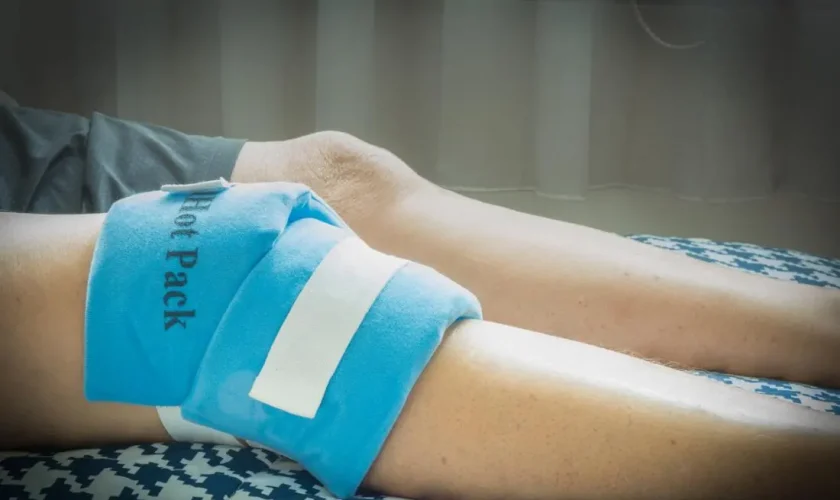
Visual Reference for Thermal Therapy

Guidelines for Safe Application

Improper application of either hot or cold elements can result in severe thermal injuries, including frostbite, ice burns, or skin blistering. Adhering to strict safety parameters ensures you harvest the benefits without compromising skin integrity.

Cryotherapy Safeguards

Never apply raw ice or frozen gel packs directly to bare skin. Always wrap the cold source in a thin towel to create a protective barrier. Limit each cold session to a maximum of twenty minutes. Leaving ice on a body part for too long can trigger a dangerous rebound effect known as the Hunting Reaction, where the body dilates blood vessels to prevent tissue death, inadvertently increasing swelling.

Thermotherapy Safeguards

When using electric heating pads, select a moderate temperature setting rather than the maximum option. Never fall asleep while lying on a heating pad, as prolonged exposure can result in low-temperature thermal burns that penetrate deep into the skin layers. Avoid applying heat to open wounds, infected areas, or regions where you have recently applied topical pain creams, as the combination can cause severe skin chemical burns.

Frequently Asked Questions

Why does my joint pain feel worse after using a heating pad?

If a joint feels worse after applying heat, it indicates that active, acute inflammation is present within the joint capsule. Conditions like gout flare-ups, bursitis, or acute arthritis involve an overabundance of inflammatory fluid. Introducing heat expands the blood vessels and brings more fluid to an already crowded space, increasing pressure and pain. These conditions should be treated with cold therapy instead.

Can I use cold compression or heat if I have poor circulation?

If you suffer from peripheral vascular disease, severe diabetes, or peripheral neuropathy, you must exercise extreme caution. Reduced sensation means your nerves cannot accurately detect when the skin is getting too hot or too cold, which drastically increases the risk of sustaining severe burns or frostbite without your knowledge. Consult a physician before using either therapy.

What is the best treatment option for a tension headache?

Tension headaches, which are often caused by spasms and tightness in the neck and shoulder muscles, respond exceptionally well to heat therapy. Applying a moist heating pad to the base of your skull or across your upper shoulders helps relax the constricting muscles, relieving the radiating pressure. However, if you are experiencing a migraine, a cold compress placed across the forehead or templates is usually more effective because it constricts dilated cranial blood vessels.

Is it safe to use heat or ice directly over a surgical incision?

You should never apply heat or ice directly over a fresh surgical incision until it has completely closed, the stitches have been removed, and your surgeon has granted explicit permission. Introducing external temperatures can disrupt the delicate micro-circulation required for early wound healing, and moisture from melting ice can introduce bacteria into the incision site, leading to a serious infection.

How does Raynauds phenomenon affect the use of cold compression?

Individuals with Raynauds phenomenon should avoid cold compression entirely, particularly on the limbs. Raynauds causes an exaggerated, spasming constriction of small arteries in response to cold temperatures, completely cutting off blood supply to the fingers or toes. Applying ice can trigger a severe episode, causing the skin to turn white or blue, accompanied by intense pain and potential tissue damage.

Should I use ice or heat for a muscle cramp?

An active muscle cramp, such as a sudden charley horse in your calf, requires immediate heat therapy and gentle stretching. A cramp is an intense, involuntary contraction of the muscle fibers. Applying cold can cause the muscle to contract even harder out of a protective reflex. Heat encourages the hyperactive muscle spindles to relax, allowing the tissue to loosen and restore normal resting length.

read more