Walking into a yoga studio for the first time can feel intimidating. The schedule is often filled with unfamiliar Sanskrit terms, and every class promises a completely different experience. You might see terms like Ashtanga, Kundalini, Bikram, Hatha, Vinyasa, and Yin listed side by side. For a beginner, this variety can create a barrier to entry.
Yoga is not a one-size-fits-all practice. The right style for you depends entirely on your current physical fitness, your mental state, and what you hope to achieve on the mat. If you want a fast-paced sweat session, choosing a slow meditative class will leave you frustrated. Conversely, if you are looking to decompress after a high-stress day, a vigorous, athletic flow might feel overwhelming.
To help you navigate your first steps, this guide breaks down three of the most popular and widely available styles of yoga: Hatha, Vinyasa, and Yin. By understanding the core philosophy, physical demands, and unique benefits of each style, you can confidently choose the practice that aligns with your personal goals.
Understanding Hatha Yoga: The Foundation of Practice
Hatha yoga is the umbrella term for any physical practice of yoga that involves postures, known as asanas, and breathing techniques, known as pranayama. Historically, almost all physical yoga styles derived from Hatha. However, in modern Western studios, a class labeled Hatha has a very specific meaning. It represents a classic, foundational practice where poses are held individually with brief moments of rest in between.
The Mechanics of a Hatha Class
In a Hatha class, the pace is deliberate and unhurried. The instructor will guide you into a specific posture, explain the alignment principles, and have you hold that shape for anywhere from five to ten deep breaths. Once the posture is complete, you will transition slowly into the next one. There is no continuous fluid movement between the shapes. This static approach allows you to focus entirely on the mechanics of each pose without feeling rushed.
Why Hatha is Great for Beginners
Hatha is often considered the ideal starting point for absolute beginners because it prioritizes education and alignment. Because the pace is slower, the instructor has the time to break down the anatomy of a pose, explaining where your feet should be placed, how your hips should be aligned, and how to engage your core. This foundational knowledge builds body awareness and prevents injuries, giving you the confidence needed to try more advanced styles later on.
Physical and Mental Benefits
-
Improved Muscle Strength: Holding static postures requires sustained muscular engagement, which builds functional isometric strength.
-
Enhanced Balance and Posture: The deliberate focus on structural alignment helps correct poor daily posture habits and stabilizes the core.
-
Stress Reduction: By pairing slow movements with deep, conscious breathing, Hatha activates the parasympathetic nervous system, lowering your heart rate and reducing cortisol levels.
Exploring Vinyasa Yoga: Finding Flow in Movement
If Hatha yoga is about stillness and alignment, Vinyasa yoga is about fluid motion and rhythm. The word Vinyasa translates to arranging something in a special way, or linking breath with movement. It is often referred to simply as Flow yoga. This style is highly dynamic and serves as a great transition for people coming from an athletic or cardio-heavy fitness background.
The Mechanics of a Vinyasa Class
In a Vinyasa class, you will rarely stay still. Instead, you will move seamlessly from one posture to the next, guided by your breath. An inhalation typically accompanies an upward, expanding movement, while an exhalation accompanies a downward, contracting movement. The class usually centers around a sequence called the Sun Salutation, which involves a continuous loop of planks, push-ups, backbends, and downward-facing dogs. The music is often upbeat, and the sequencing changes from class to class based on the creativity of the instructor.
The Intensity Level of Vinyasa
Vinyasa is a physically demanding practice. It elevates your heart rate, builds internal heat, and induces sweating. Because the transitions happen quickly, you need a basic understanding of yoga poses to keep up with the rhythm. It requires stamina, cardiovascular endurance, and spatial awareness.
Physical and Mental Benefits
-
Cardiovascular Conditioning: The continuous, rapid movement turns the practice into a low-impact aerobic workout that benefits heart health.
-
Increased Flexibility: Moving dynamically through ranges of motion helps warm up the muscles, allowing for deeper, safer stretching.
-
Moving Meditation: Because the pace is fast and requires intense concentration to synchronize breath and movement, it forces your mind to stay entirely in the present moment, clearing away mental clutter.
Discovering Yin Yoga: The Power of Stillness and Surrender
Yin yoga represents the complete opposite side of the spectrum from Vinyasa. While Hatha and Vinyasa focus on the superficial muscles, known as yang tissues, Yin yoga targets the deep, dense connective tissues of the body, such as tendons, ligaments, fascia, and joints. It is a slow, deeply meditative practice that requires passive surrender rather than muscular effort.
The Mechanics of a Yin Class
A Yin yoga class features only a few poses, usually between four and seven per session. Almost all the postures are done seated or lying down on the floor. The defining characteristic of Yin is time. You will hold each posture for anywhere from three to five minutes, and sometimes even longer for advanced practitioners. Instead of flexing your muscles to hold a shape, you use gravity and props, like blocks and bolsters, to support your weight, allowing your muscles to completely relax.
The Mental Challenge of Yin
While Yin yoga is physically passive, it is often mentally challenging. Sitting in stillness for five minutes in an uncomfortable stretch forces you to confront your internal restlessness. It teaches you to tolerate discomfort, observe your thoughts without judgment, and practice patience.
Physical and Mental Benefits
-
Deep Joint Mobility: By applying gentle, sustained pressure to connective tissues over time, Yin helps safely lubricate and hydrate joints, significantly improving long-term flexibility.
-
Fascial Release: Chronic stress and sedentary lifestyles cause the body’s fascial network to tighten. Yin helps unravel these deep restrictions, relieving chronic pain.
-
Deep Relaxation: The prolonged stillness allows practitioners to tap into profound meditative states, making it an excellent practice for reducing anxiety and improving sleep quality.
How to Choose the Right Style for You
To decide which style to try first, take a moment to evaluate your current lifestyle, energy levels, and personal wellness goals. You do not have to stick to just one style, but starting with the one that matches your immediate needs will ensure a positive experience.
Choose Hatha if:
-
You are an absolute beginner who wants to learn the correct alignment of basic poses.
-
You prefer a steady, educational environment over a fast-paced workout.
-
You want to work on your balance and core strength without feeling exhausted afterward.
Choose Vinyasa if:
-
You want a physical challenge that builds strength, increases your heart rate, and makes you sweat.
-
You get bored easily and enjoy variety, music, and creative movement patterns.
-
You find it easier to quiet your mind when your body is actively moving.
Choose Yin if:
-
You feel physically tight in your hips, lower back, and pelvis from sitting at a desk all day.
-
You participate in high-impact sports like running or weightlifting and need a recovery practice.
-
You are dealing with high anxiety and need a quiet space to cultivate mindfulness and mental stillness.
Preparing for Your First Class
Once you have selected the style that fits your needs, a few simple preparations will make your first studio visit much more comfortable. Wear stretchable, breathable clothing that allows you to move freely without restriction. Avoid eating a heavy meal at least two hours before class, as twisting and bending on a full stomach can cause discomfort. Arrive at the studio ten to fifteen minutes early to introduce yourself to the instructor, let them know you are a beginner, and mention any current injuries or physical limitations you have. This allows the teacher to offer appropriate modifications throughout the practice.
Frequently Asked Questions
Can I practice yoga if I am completely inflexible?
Yes, saying you are too inflexible to practice yoga is like saying you are too dirty to take a bath. Inflexibility is a reason to practice yoga, not a reason to avoid it. Yoga helps you gradually lengthen muscles and release tension over time. Modifications and props are always available to make poses accessible regardless of your current range of motion.
How many times a week should a beginner practice yoga?
For beginners, consistency is more important than duration. Practicing two to three times a week for 30 to 60 minutes is an excellent starting point. This frequency allows your body to adapt to the new movements and build muscle memory without risking overtraining or fatigue.
Is it normal to feel sore after a yoga class?
Yes, it is common to experience delayed onset muscle soreness, especially after a Hatha or Vinyasa class. These styles engage stabilization muscles in the feet, core, shoulders, and back that are often underutilized in traditional gym workouts. This soreness should fade within 24 to 48 hours.
What is the purpose of the props used in yoga classes?
Props like blocks, straps, blankets, and bolsters are not signs of weakness; they are tools designed to bring the floor closer to you. They help maintain proper skeletal alignment, provide stability, and allow you to experience the benefits of a pose safely without straining your muscles or joints.
Can I mix different styles of yoga in the same week?
Mixing different styles is highly recommended because they complement one another perfectly. For example, practicing Vinyasa twice a week builds strength and cardiovascular health, while adding one Yin session balance that out by targeting joint mobility and promoting deep mental recovery.
Should I avoid yoga if I have lower back pain?
Yoga can be highly therapeutic for lower back pain, but you must choose the right style and modify poses carefully. Hatha yoga is excellent for building the core and back strength needed to support the spine. However, you should inform your instructor about your back issues before class so they can prevent you from doing deep forward folds or sudden twists that might aggravate the condition.
Recommended Visual Reference
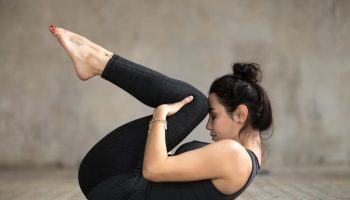
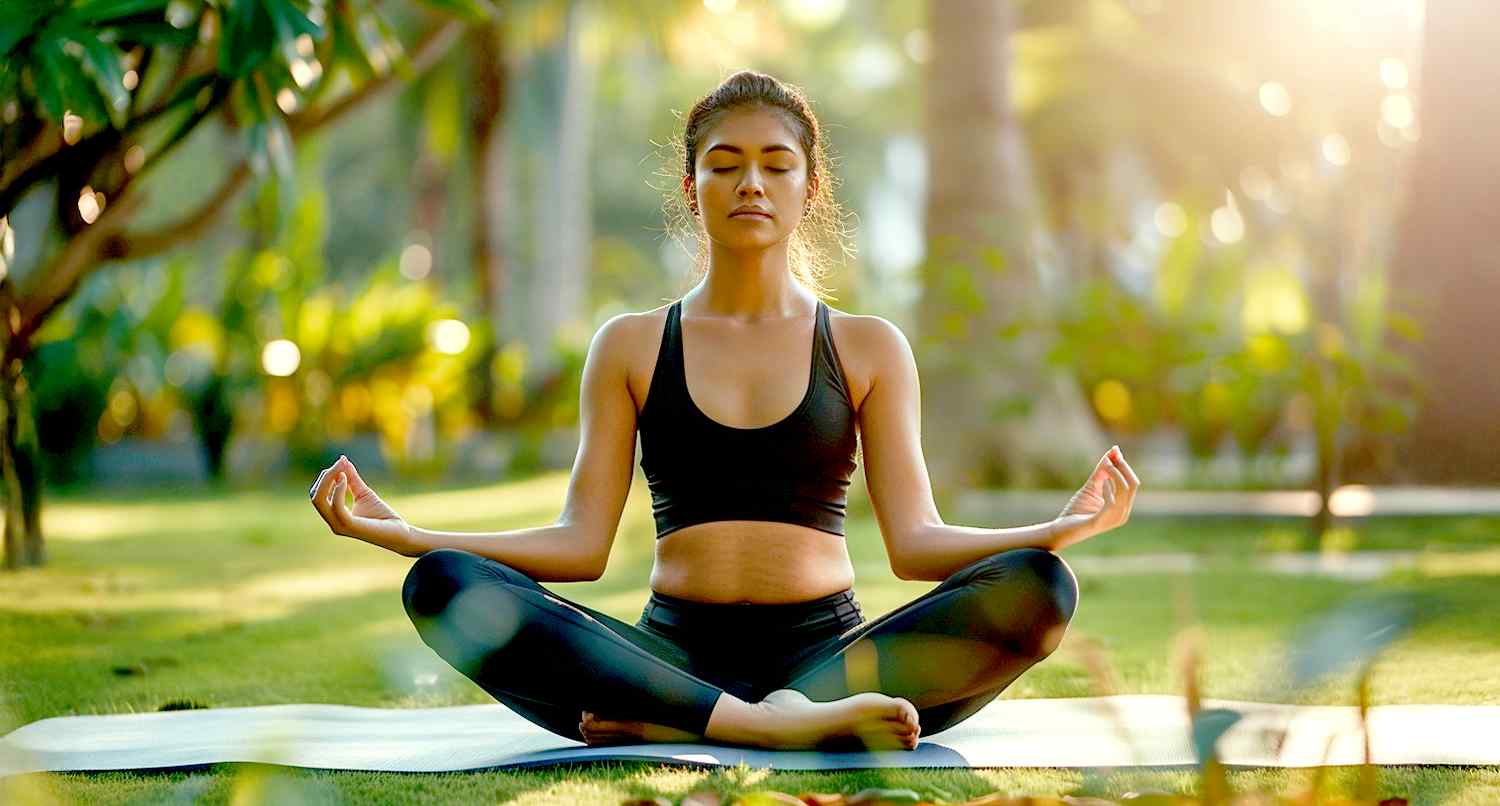
Below is a visual representation of standard alignment and posture setups often used across Hatha and Vinyasa practices to help you visualize proper form before stepping onto the mat.