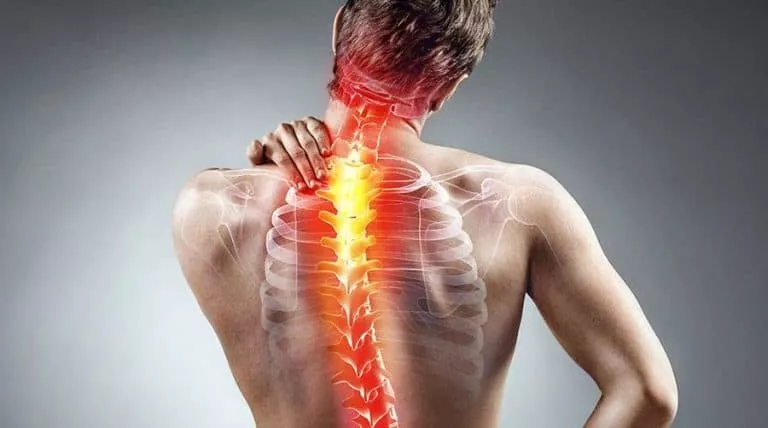
Chronic lower back nerve pain and sciatica can completely disrupt your daily life. Simple activities like sitting at a desk, walking through a grocery store, or even sleeping comfortably can become monumental challenges. Sciatica happens when the sciatic nerve, which runs from the lower back down through the hips and into each leg, becomes pinched or inflamed. This nerve compression typically stems from a structural issue in the lumbar spine, such as a herniated disc, bone spurs, or spinal stenosis.
Fortunately, standard management options like basic physical therapy, resting, and oral pain relievers are no longer the final word in spine care. Modern medicine has introduced highly targeted, advanced treatments that sit between basic conservative management and traditional open back surgery. These innovations prioritize structural precision, minimal tissue disruption, and long-term relief. Understanding these cutting-edge options can help you take control of your recovery and find a lasting solution to debilitating nerve pain.
Targeted Interventional Pain Management
When daily physical therapy and oral anti-inflammatory medications fail to provide adequate relief, interventional pain management techniques offer a highly targeted secondary line of defense. Rather than treating the entire body with oral medication, these procedures deliver powerful anti-inflammatory and pain-blocking agents directly to the specific nerve roots experiencing compression.
Image-Guided Epidural Steroid Injections
Epidural steroid injections are a widely used clinical intervention for severe sciatica flare-ups. During this outpatient procedure, a specialist uses fluoroscopy, which is a continuous, real-time X-ray video, to safely guide a thin needle into the epidural space of the lumbar spine. Once the needle is perfectly positioned near the irritated nerve root, a combination of a local anesthetic and a powerful corticosteroid is delivered.
The primary goal of this injection is to dramatically reduce the deep swelling and chemical inflammation occurring around the compressed nerve. While an injection does not physically shrink a herniated disc, it often eliminates the debilitating pain for weeks or months. This pain-free window gives the body time to naturally resorb the damaged disc tissue and allows you to participate fully in advanced physical rehabilitation.
Ultrasound-Guided Nerve Blocks
For highly localized nerve pain, specialists utilize ultrasound-guided nerve blocks. Ultrasound technology allows clinicians to see the intricate layout of soft tissues, blood vessels, and individual nerves without exposing you to radiation. By targeting specific nerve branches in the lower back or piriformis muscle, the physician can inject a numbing solution that temporarily shuts down the pain signals. This diagnostic and therapeutic tool helps precisely identify the exact structural source of your symptoms.
Advanced Regenerative Medicine and Neuromodulation
For individuals dealing with persistent nerve pain who want to avoid surgical intervention entirely, advanced medical technologies offer alternative ways to soothe irritated nerves and encourage long-term healing.
Spinal Cord Stimulation
Spinal cord stimulation is a sophisticated neuromodulation therapy designed for chronic, intractable leg and back pain. The treatment involves placing a small, implantable device under the skin that sends mild electrical currents directly to the spinal cord. These tiny electrical pulses intercept the pain signals traveling up the sciatic nerve before they can reach the brain.
Before committing to a permanent implant, you undergo a temporary one-week trial. During the trial, a specialist places temporary electrical leads through a needle into the epidural space, connecting them to an external controller. If you experience a significant reduction in nerve pain during the week, a permanent generator can be surgically implanted. Modern simulators utilize high-frequency or burst technologies, meaning you will not feel the tingling sensation, known as paresthesia, associated with older devices.
Radiofrequency Ablation and Endoscopic Rhizotomy
Radiofrequency ablation is a minimally invasive technique used primarily when lower back nerve pain originates from the facet joints of the spine. Under X-ray guidance, a specialized needle delivers thermal energy to heat up and temporarily disable the small medial branch nerves responsible for sending pain signals from the joints to the brain.
While traditional radiofrequency ablation provides relief that lasts around six to twelve months before the nerve regenerates, advanced clinics now offer endoscopic rhizotomy. This ultra-minimally invasive procedure utilizes a tiny camera, called an endoscope, to visually identify the hyper-sensitive nerve. The specialist can then cleanly sever or ablate the painful nerve under direct visualization, providing structural relief that can last up to five years.
Minimally Invasive Spine Surgery
When a structural issue like a massive disc prolapse or progressive spinal stenosis causes severe muscle weakness, numbness, or pain that persists for more than six to eight weeks, surgical intervention becomes necessary. Modern spine surgery has shifted heavily away from traditional open procedures toward minimally invasive spine surgery techniques.
Microdiscectomy
A microdiscectomy is considered the gold standard surgical intervention for severe sciatica caused by a herniated disc. Traditional open surgery required large incisions and the extensive cutting or peeling back of major lower back muscles. In contrast, a modern microdiscectomy is performed through a tiny incision, often less than one inch in length.
The surgeon inserts specialized tubular retractors that gently dilate and push aside the muscles rather than cutting them. Using a high-powered surgical microscope or a minute HD camera, the surgeon can see directly into the spinal canal with extreme clarity. They then remove only the specific, protruding fragment of the disc that is actively pinching the sciatic nerve root. Because the surrounding muscles and ligaments remain completely intact, post-operative pain is minimal, and most patients return home the exact same day.
Endoscopic Lumbar Laminectomy
When sciatica is caused by spinal stenosis, which is the gradual narrowing of the bony spinal canal due to arthritis or aging, an endoscopic lumbar laminectomy is performed. This ultra-minimally invasive procedure utilizes a portal a quarter of an inch wide to slide an endoscope directly into the spine.
Through this microscopic view, the surgeon utilizes micro-instruments to shave away overgrown bone spurs or thickened ligaments that are choking the nerve canal. This process achieves a full nerve root release, restoring healthy blood circulation and nerve function. The long-term success rate for these targeted decompression procedures exceeds ninety percent, allowing patients to regain their mobility and walk without radiating leg pain within a few weeks.
Comprehensive Post-Procedure Rehabilitation
No advanced treatment can be fully successful without a structured, biomechanical rehabilitation program. Once advanced procedures have reduced the baseline nerve pain, specialized physical therapy must begin to fix the root mechanical causes of the spinal compression.
Advanced rehabilitation focuses heavily on core stabilization and scientific movement retraining. Specialized therapists guide you through customized deep abdominal exercises to create a natural internal brace for your lumbar spine. Additionally, nerve mobilization techniques, also known as nerve flossing, are used to gently stretch and glide the sciatic nerve through its anatomical pathways, preventing the formation of rigid scar tissue after an injection or surgery.
Frequently Asked Questions
How can I tell if my leg pain is standard muscle soreness or true sciatica?
Standard muscle soreness typically presents as a dull, localized ache within the muscle belly that improves with a few days of rest and gentle stretching. Sciatica is uniquely distinct because it follows a specific nerve pathway. It characterises itself as a sharp, shooting, electric-like pain that originates in the lower back or buttock and travels down through the thigh, calf, and sometimes into the foot. Sciatica is also frequently accompanied by neurological symptoms such as burning sensations, pins-and-needles numbness, or sudden muscle weakness in the leg.
What is the Intracept procedure and how does it help back pain?
The Intracept procedure is an advanced, ultra-minimally invasive treatment specifically designed for chronic vertebrogenic lower back pain, which is pain caused by damaged or inflamed vertebral endplates. Under local sedation and X-ray guidance, a specialist inserts a small radiofrequency probe directly into the center of the affected spinal bone. The probe delivers targeted thermal energy to ablate the basivertebral nerve, permanently blocking it from transmitting chronic pain signals from that specific vertebra.
Is bed rest recommended when dealing with severe sciatica flare-ups?
No, prolonged bed rest is no longer recommended by spine specialists. While resting for twenty-four hours during an acute, agonizing flare-up can offer temporary relief, staying inactive for longer periods actually worsens the condition. Lack of movement causes the lower back muscles to tighten and stiffen, reduces blood circulation to the healing nerve roots, and weakens the core muscles needed to support the spine. Gentle, controlled movement like short walks on flat surfaces is much better for recovery.
How many epidural steroid injections can a person safely receive in a year?
In clinical practice, a patient can generally receive up to three epidural steroid injections within a single twelve-month period. Spacing these injections out by several weeks or months is crucial to prevent the local tissue breakdown or systemic side effects that can occur from overusing corticosteroid medications. If the first two injections provide absolutely no pain relief, it indicates that inflammation is not the primary driver of your symptoms, and your medical team will pivot to alternative advanced options.
What are the primary warning signs that mean I need immediate surgery for sciatica?
While most sciatica cases can resolve with conservative or interventional care, there are critical red-flag symptoms that require immediate emergency evaluation. If you experience a sudden loss of bowel or bladder control, or numbness in your groin and saddle area, this indicates cauda equina syndrome, a medical emergency requiring rapid surgical decompression. Progressive, severe neurological deficits, such as a foot drop where you cannot physically lift the front part of your foot while walking, also require prompt surgical attention.
How long is the typical recovery period after a minimally invasive microdiscectomy?
Because minimally invasive techniques avoid cutting the major structural muscles of the back, recovery is remarkably rapid compared to traditional open surgeries. Most patients are up and walking within a few hours of the procedure and return home the same day. While individual healing rates vary, most people can return to light desk work and basic daily activities within one to two weeks. However, heavy lifting, strenuous twisting, and vigorous exercise must be avoided for six weeks to allow the spinal disc wall to fully seal and heal.