
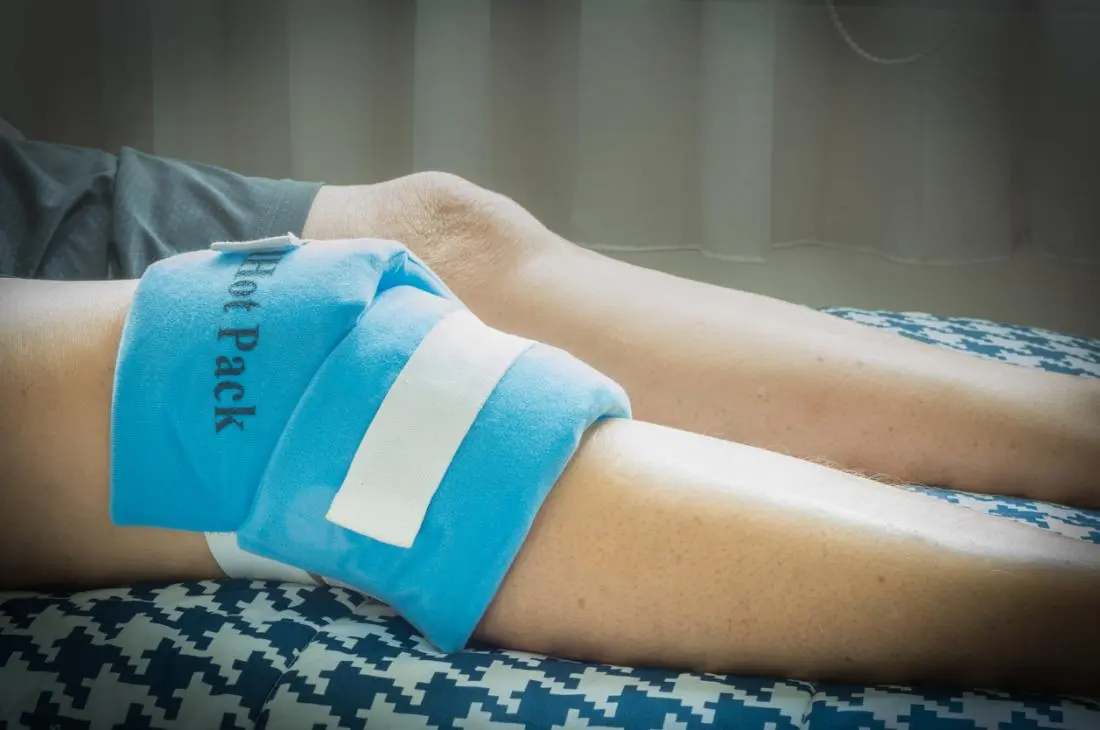
When you experience a sudden injury, a muscle spasm, or a flare-up of chronic joint pain, your immediate instinct is to find quick relief. Most household medicine cabinets or freezers contain the two most fundamental tools for pain management: an ice pack and a heating pad. However, choosing between thermal therapies is not a matter of personal preference.
Applying the wrong temperature to an injury can delay the healing process, aggravate inflammation, and even worsen your pain. Cold compression and heat therapy trigger completely opposite physiological responses within your vascular system, nerves, and soft tissues. To optimize your recovery and avoid accidental tissue damage, you must understand the scientific mechanics behind both modalities and learn exactly when to freeze and when to heat.
The Science and Mechanics of Cold Compression
Cold therapy, scientifically known as cryotherapy, is the gold standard for acute injuries. When you suffer a sudden trauma, such as an ankle sprain, a wrist strain, or a direct impact blow, the localized tissue experiences immediate cellular damage. This damage triggers a rapid inflammatory response, causing blood vessels to dilate and leak fluid into the surrounding tissues, which results in visible swelling, bruising, and throbbing pain.
How Cryotherapy Alters Blood Flow and Sensation
When you apply a cold compress to the skin, the low temperature causes localized vasoconstriction. This means the smooth muscles surrounding your blood vessels contract, narrowing the vessel lumens and significantly reducing blood flow to the injured area. By restricting blood circulation, cold therapy limits the accumulation of excess fluid, effectively controlling swelling and bruising.
Simultaneously, cold temperatures act as a powerful local anesthetic. The cold slows down the nerve conduction velocity, which is the speed at which pain signals travel along peripheral nerves to your brain. By dampening these signals, cryotherapy numbs the area, providing immediate, sharp pain relief.
The Critical Role of Compression
While simple ice packs are helpful, combining cold with compression is far more effective. Compression applies external hydrostatic pressure to the tissues, which physically prevents fluid from pooling in the interstitial spaces. It also ensures that the cold source maintains direct, uniform contact with your skin, allowing the low temperature to penetrate deeper into the underlying muscle and joint structures.
Optimal Use Cases for Cold Compression
-
Acute Sprains and Strains: Pulled muscles or stretched ligaments within the first forty-eight hours of injury.
-
Impact Injuries: Contusions, bumps, and bruises caused by sports collisions or accidental falls.
-
Post-Activity Joint Inflammation: Swelling in the knees or elbows after a rigorous workout or heavy lifting session.
-
Tendinitis Flare-Ups: Acute inflammation of the tendons, such as tennis elbow or Achilles tendinitis, immediately after physical exertion.
The Science and Mechanics of Heat Therapy
Heat therapy, or thermotherapy, serves a completely different therapeutic purpose. While cold seeks to restrict and numb, heat aims to expand, relax, and stimulate. Thermotherapy is primarily reserved for chronic conditions, muscle stiffness, and non-inflammatory discomfort.
How Thermotherapy Promotes Tissue Relaxation
When you apply heat to a sore muscle or a stiff joint, it triggers vasodilation. The blood vessels widen, causing a substantial surge of oxygenated, nutrient-rich blood to flood the targeted area. This increased circulation is vital for healing because it delivers the essential proteins and oxygen necessary to repair damaged cellular structures while simultaneously flushing away metabolic waste products like lactic acid.
Heat also alters the physical properties of your soft tissues. The elevated temperature increases the elasticity of collagen tissues, which are found in abundance within muscles, tendons, and ligaments. This thermal effect reduces muscle spindle sensitivity, which effectively halts muscle spasms and coaxes tightly bound muscle fibers to loosen and lengthen.
Types of Heat Delivery
Thermotherapy can be categorized into dry heat and moist heat. Dry heat, delivered via standard electric heating pads or disposable heat wraps, draws moisture away from the skin but is highly convenient for long-term application. Moist heat, delivered through damp heating packs, hot baths, or steamed towels, is often preferred by clinicians because it penetrates deeper into the subcutaneous tissue layers and does not dehydrate the skin.
Optimal Use Cases for Heat Therapy
-
Chronic Muscle Stiffness: General soreness and tightness in the lower back, neck, or shoulders due to poor posture or sedentary lifestyles.
-
Arthritis Pain: Chronic joint stiffness and discomfort associated with osteoarthritis or rheumatoid arthritis, particularly in the morning.
-
Pre-Workout Warm-Ups: Preparing tight muscles and joints for physical activity by increasing flexibility and range of motion.
-
Stress-Induced Tension: Easing tension headaches or systemic tightness triggered by emotional or mental stress.
The Timeline of Recovery: When to Make the Switch
The most common mistake people make when managing an injury is using heat too early. To ensure a safe and speedy recovery, you must follow a strict biological timeline.
The First Forty-Eight Hours: The Cold Zone
During the first forty-eight hours following an acute injury, heat should be avoided entirely. Because the blood vessels are already dilated and actively leaking fluid into the tissue, applying heat will accelerate blood flow, drastically increasing swelling, inflammation, and internal bleeding. Keep the area restricted to cold compression during this phase. Apply the cold pack for fifteen to twenty minutes every two to three hours.
Beyond Forty-Eight Hours: Transitional Healing
Once the initial two-day window has passed, the acute inflammatory response typically stabilizes, and the swelling stops expanding. At this junction, you can begin introducing heat therapy to encourage blood circulation and clear away the stagnant fluid and bruising left behind by the injury. If you notice that the area still feels warm to the touch or remains visibly red, the acute phase is not yet over, and you must continue using cold compression.
Advanced Treatment: Contrast Therapy
For subacute injuries or elite athletic recovery, sports medicine physicians often utilize contrast therapy. This technique involves alternating between cold and heat applications in a single session, creating a biological pumping action.
When you switch rapidly from hot to cold, your blood vessels repeatedly dilate and constrict. This cyclical expansion and contraction acts as a mechanical pump, actively forcing stagnant inflammatory fluids out of the injured limb through the lymphatic system while simultaneously drawing in a fresh supply of arterial blood. A typical contrast session involves three minutes of heat followed immediately by one minute of cold, repeated four to five times.
Visual Reference for Thermal Therapy
Guidelines for Safe Application
Improper application of either hot or cold elements can result in severe thermal injuries, including frostbite, ice burns, or skin blistering. Adhering to strict safety parameters ensures you harvest the benefits without compromising skin integrity.
Cryotherapy Safeguards
Never apply raw ice or frozen gel packs directly to bare skin. Always wrap the cold source in a thin towel to create a protective barrier. Limit each cold session to a maximum of twenty minutes. Leaving ice on a body part for too long can trigger a dangerous rebound effect known as the Hunting Reaction, where the body dilates blood vessels to prevent tissue death, inadvertently increasing swelling.
Thermotherapy Safeguards
When using electric heating pads, select a moderate temperature setting rather than the maximum option. Never fall asleep while lying on a heating pad, as prolonged exposure can result in low-temperature thermal burns that penetrate deep into the skin layers. Avoid applying heat to open wounds, infected areas, or regions where you have recently applied topical pain creams, as the combination can cause severe skin chemical burns.
Frequently Asked Questions
Why does my joint pain feel worse after using a heating pad?
If a joint feels worse after applying heat, it indicates that active, acute inflammation is present within the joint capsule. Conditions like gout flare-ups, bursitis, or acute arthritis involve an overabundance of inflammatory fluid. Introducing heat expands the blood vessels and brings more fluid to an already crowded space, increasing pressure and pain. These conditions should be treated with cold therapy instead.
Can I use cold compression or heat if I have poor circulation?
If you suffer from peripheral vascular disease, severe diabetes, or peripheral neuropathy, you must exercise extreme caution. Reduced sensation means your nerves cannot accurately detect when the skin is getting too hot or too cold, which drastically increases the risk of sustaining severe burns or frostbite without your knowledge. Consult a physician before using either therapy.
What is the best treatment option for a tension headache?
Tension headaches, which are often caused by spasms and tightness in the neck and shoulder muscles, respond exceptionally well to heat therapy. Applying a moist heating pad to the base of your skull or across your upper shoulders helps relax the constricting muscles, relieving the radiating pressure. However, if you are experiencing a migraine, a cold compress placed across the forehead or templates is usually more effective because it constricts dilated cranial blood vessels.
Is it safe to use heat or ice directly over a surgical incision?
You should never apply heat or ice directly over a fresh surgical incision until it has completely closed, the stitches have been removed, and your surgeon has granted explicit permission. Introducing external temperatures can disrupt the delicate micro-circulation required for early wound healing, and moisture from melting ice can introduce bacteria into the incision site, leading to a serious infection.
How does Raynauds phenomenon affect the use of cold compression?
Individuals with Raynauds phenomenon should avoid cold compression entirely, particularly on the limbs. Raynauds causes an exaggerated, spasming constriction of small arteries in response to cold temperatures, completely cutting off blood supply to the fingers or toes. Applying ice can trigger a severe episode, causing the skin to turn white or blue, accompanied by intense pain and potential tissue damage.
Should I use ice or heat for a muscle cramp?
An active muscle cramp, such as a sudden charley horse in your calf, requires immediate heat therapy and gentle stretching. A cramp is an intense, involuntary contraction of the muscle fibers. Applying cold can cause the muscle to contract even harder out of a protective reflex. Heat encourages the hyperactive muscle spindles to relax, allowing the tissue to loosen and restore normal resting length.