
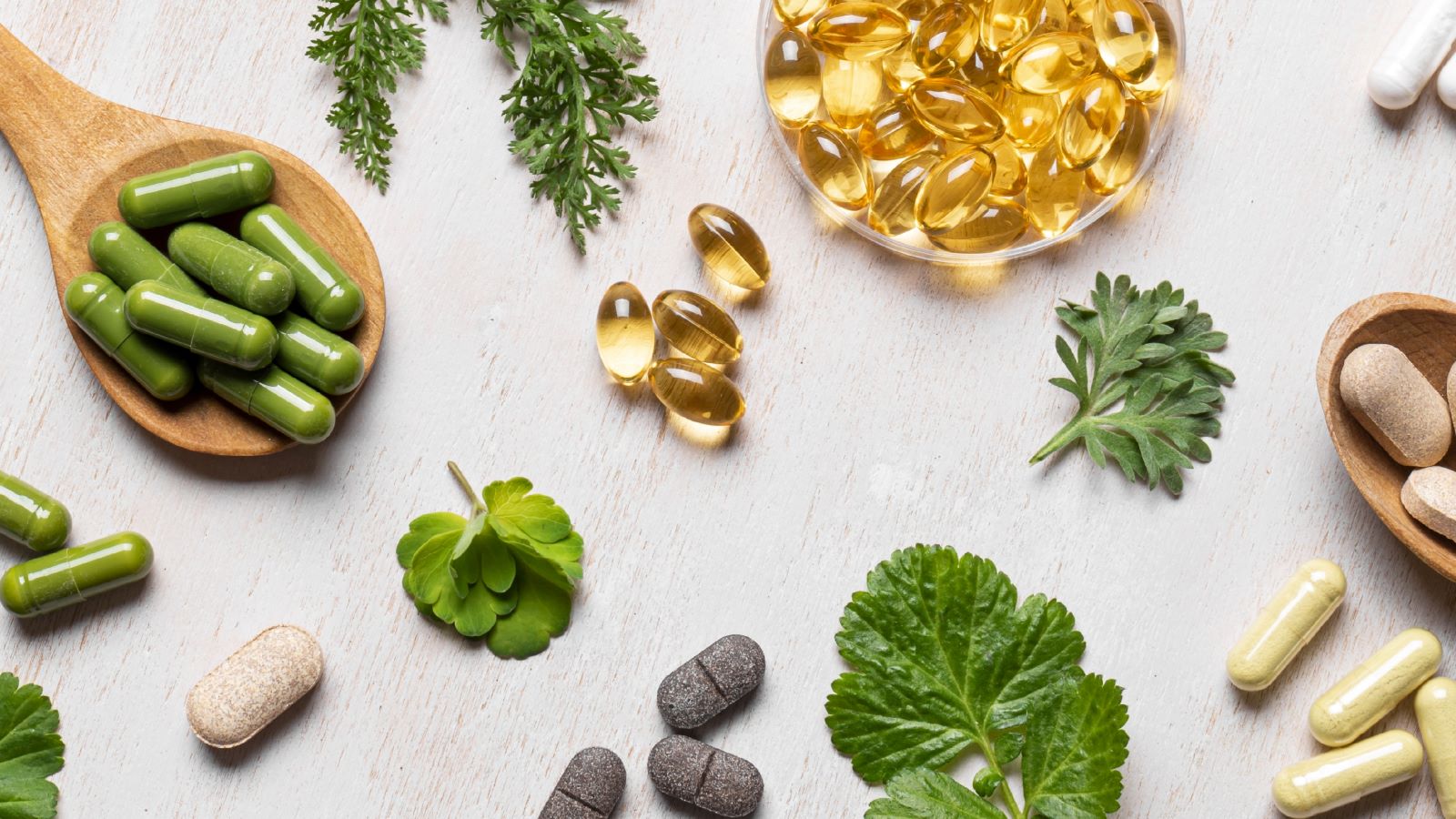
In an increasingly fast paced world, chronic stress and anxiety have become pervasive challenges affecting millions of individuals. The demands of professional careers, financial responsibilities, and constant digital connectivity can keep the human nervous system in a state of perpetual high alert. When experienced long term, this state depletes your physical vitality, fractures your focus, and diminishes your overall quality of life.
While pharmaceutical options exist, many individuals seek natural alternatives to support their mental well being without the risk of unwanted side effects or dependency. Dietary supplements derived from herbs, amino acids, and minerals offer an evidence based approach to modulating the body stress response. By working in harmony with your biochemistry, these natural compounds help restore balance to your nervous system. Here is an in depth look at five highly effective natural supplements designed to lower anxiety and alleviate chronic stress.
1. Ashwagandha: The Power of Adaptogens
Ashwagandha, known botanically as Withania somnifera, is a premier botanical remedy in traditional Ayurvedic medicine. It classifies as an adaptogen, which is a unique class of natural substances that enhance the body ability to cope with physical, chemical, and environmental stressors. Instead of forcing a specific physiological reaction, adaptogens help normalize bodily functions during times of distress.
How Ashwagandha Lowers Cortisol
The primary mechanism behind the efficacy of ashwagandha is its profound ability to regulate the hypothalamic pituitary adrenal axis. This axis is the central control center for your body response to stress. When you experience chronic anxiety, this system becomes hyperactive, resulting in the continuous overproduction of cortisol, your primary stress hormone.
Clinical research demonstrates that high quality ashwagandha root extracts significantly lower circulating cortisol levels. By curbing this hormonal surge, ashwagandha mitigates the physical symptoms of stress, such as an elevated heart rate, muscle tension, and systemic inflammation. It helps shift the body out of a sympathetic fight or flight state and into a parasympathetic rest and digest state.
Cognitive and Emotional Support
Beyond lowering cortisol, ashwagandha interacts with the gamma aminobutyric acid receptors in the brain. Gamma aminobutyric acid is an inhibitory neurotransmitter that acts as a natural brake system for neural activity, dampening overexcited thoughts and inducing a sense of tranquility. Practitioners utilizing this root often report improved resilience against daily pressures, enhanced mental clarity, and a noticeable reduction in social anxiety.
2. L-Theanine: Focus and Calming Without Drowsiness
For individuals who need to manage anxiety during the workday without sacrificing their cognitive performance, L-theanine is an exceptional option. L-theanine is a water soluble amino acid found almost exclusively in green tea leaves. Unlike traditional sedatives that cause sluggishness, this unique compound calms the mind while simultaneously promoting alertness.
Stimulating Alpha Brain Waves
The remarkable effects of L-theanine stem from its ability to cross the blood brain barrier and directly alter brain wave patterns. Electroencephalogram studies reveal that L-theanine increases the generation of alpha brain waves. Alpha waves are characteristic of a state known as relaxed alertness, which is the exact mental state achieved during deep meditation.
Simultaneously, L-theanine decreases beta brain waves, which are typically associated with intense stress, scattered thoughts, and heightened anxiety. This dual action allows you to experience a tranquil, composed mindset while maintaining the sharp executive focus required for demanding professional or academic tasks.
Balancing Neurotransmitter Activity
L-theanine also influences the delicate balance of chemicals within your brain. It gently suppresses the binding of glutamate to its receptors. Glutamate is an excitatory neurotransmitter that, when overabundant, can cause neurotoxicity and intense feelings of panic. By blocking this excess stimulation and encouraging the production of dopamine and serotonin, L-theanine helps stabilize your mood and prevents sudden anxiety spikes.
3. Magnesium Glycinate: The Original Chill Pill
Magnesium is an essential macromineral required for more than three hundred biochemical reactions within the human body. Despite its critical importance, modern agricultural practices and heavily processed diets have left a significant portion of the population deficient in this vital mineral. Because magnesium plays a foundational role in nerve transmission, a systemic deficiency can manifest directly as heightened anxiety and muscle tightness.
Regulation of the NMDA Receptor
Magnesium acts as a natural gatekeeper for the N methyl D aspartate receptors in the brain. Under normal conditions, magnesium sits inside these receptors, preventing glutamate from overstimulating the nerve cells. When magnesium levels are low, these gates stay wide open, allowing calcium and glutamate to flood the neurons. This creates a state of chronic neuronal hyperexcitability, leading to feelings of restlessness, agitation, and a racing mind.
Why the Glycinate Form Matters
When selecting a magnesium supplement for anxiety, the chemical form is highly important. Magnesium glycinate consists of magnesium bound to the amino acid glycine. Glycine is itself an inhibitory neurotransmitter that easily crosses into the central nervous system, where it exerts its own independent calming effect. Furthermore, magnesium glycinate boasts superior bioavailability, meaning your intestines can absorb it efficiently without experiencing the laxative side effects common with cheaper forms like magnesium oxide.
4. Rhodiola Rosea: Combatting Stress Induced Burnout
Rhodiola rosea, often referred to as golden root, is another powerful adaptogenic herb that thrives in the cold, mountainous regions of Europe and Asia. While ashwagandha is excellent for calming a wired and anxious nervous system, rhodiola is uniquely suited for individuals experiencing stress induced fatigue and emotional burnout.
Supporting Cellular Energy Production
When stress persists for months or years, the adrenal glands can become exhausted, leading to a state of profound physical and mental depletion. Rhodiola helps combat this exhaustion by stimulating the production of adenosine triphosphate within your cellular mitochondria. Adenosine triphosphate is the primary energy currency of your cells. By optimizing energy production, rhodiola restores physical stamina and eliminates the heavy brain fog that often accompanies prolonged emotional stress.
Enhancing Mood Chemicals
Rhodiola contains active phytochemicals known as rosavins and salidrosides. These compounds inhibit the activity of monoamine oxidase, an enzyme responsible for breaking down mood elevating neurotransmitters in the brain. By slowing this breakdown, rhodiola increases the availability of serotonin, dopamine, and norepinephrine in the synaptic clefts. This results in an improved mood, increased motivation, and enhanced mental resilience when confronting complex, high pressure situations.
5. Lemon Balm: Fast Acting Nervous System Relief
Lemon balm, known scientifically as Melissa officinalis, is a perennial herb from the mint family that has been utilized since the Middle Ages to soothe the nervous system. Unlike adaptogens, which require several weeks of consistent use to build up in your system, lemon balm offers relatively fast acting relief during moments of acute anxiety or situational stress.
Preventing GABA Breakdown
The calming mechanism of lemon balm centers around an active ingredient called rosmarinic acid. Research shows that rosmarinic acid effectively inhibits gamma aminobutyric acid transaminase, which is the specific enzyme tasked with destroying your brain natural calming neurotransmitter. By neutralizing this enzyme, lemon balm allows gamma aminobutyric acid to remain active in your neural pathways for longer durations, helping to quickly quiet down an overactive nervous system and ease physical agitation.
Soothing the Gut Brain Connection
Anxiety rarely limits itself to the mind; it frequently manifests physically within the digestive tract, causing symptoms like nervous stomach aches, cramping, or nausea. Lemon balm contains mild antispasmodic properties that relax the smooth muscles of the gastrointestinal system. By soothing the gut brain axis, it provides dual relief for both psychological tension and its somatic expressions in the stomach.
Summary of Targeted Supplementation
To help you determine which natural compound aligns best with your specific symptoms, the following summary outlines the primary uses for each option.
-
Ashwagandha: Best for overall stress resilience, lowering high cortisol levels, and long term nervous system support.
-
L-Theanine: Ideal for daytime anxiety management, promoting calm focus without causing drowsiness.
-
Magnesium Glycinate: Essential for correcting underlying deficiencies, relaxing tight muscles, and calming a racing mind before bed.
-
Rhodiola Rosea: Perfectly suited for individuals experiencing chronic burnout, mental fatigue, and stress related lethargy.
-
Lemon Balm: Excellent for fast acting relief from acute situational anxiety and stress induced digestive issues.
Frequently Asked Questions
Can I take these natural supplements if I am currently prescribed an antidepressant?
You should never combine natural supplements with prescription psychiatric medications, such as selective serotonin reuptake inhibitors or benzodiazepines, without first consulting your physician. Herbs like rhodiola rosea can alter neurotransmitter levels in the brain, and when taken alongside prescription medication, they can lead to dangerous drug interactions or a rare but serious condition known as serotonin syndrome.
How long does it typically take to feel the benefits of an adaptogen like ashwagandha?
Adaptogenic herbs work via a cumulative mechanism rather than providing an instant pharmacological shift. While some individuals notice minor improvements in their sleep quality within the first week, it generally takes four to six weeks of daily, consistent use for ashwagandha or rhodiola rosea to fully modulate your cortisol pathways and deliver noticeable reductions in systemic stress.
Is it safe to consume L theanine every day or will I build a tolerance?
L theanine is considered highly safe for daily consumption and does not carry a risk of tolerance, dependency, or withdrawal symptoms. Because it gently modulates existing neurotransmitter pathways rather than artificially flooding the brain with synthetic chemicals, your body does not become desensitized to its effects over time, making it suitable for long term stress management.
What is the best time of day to take magnesium glycinate for anxiety?
While magnesium glycinate can be taken at any point during the day to help manage generalized anxiety, the most advantageous time for many individuals is roughly thirty to sixty minutes before bedtime. The combination of magnesium nerve stabilizing properties and the relaxing nature of the amino acid glycine helps prepare the body for deep sleep, making it highly effective for those whose anxiety spikes at night.
Are there any specific safety warnings associated with rhodiola rosea?
Yes, because rhodiola rosea has mild stimulating properties alongside its adaptogenic benefits, it should ideally be consumed during the morning or early afternoon. Taking rhodiola late in the evening can interfere with your natural sleep architecture and make it difficult to fall asleep. Additionally, individuals diagnosed with bipolar disorder should avoid rhodiola, as its impact on dopamine and norepinephrine could potentially trigger manic episodes.
Can children or teenagers safely utilize these supplements for school stress?
The majority of clinical trials evaluating herbs like ashwagandha and rhodiola rosea have been conducted exclusively on adult populations. Consequently, there is limited safety data regarding appropriate dosages for developing adolescent endocrine and nervous systems. While basic minerals like magnesium are vital for all ages, any supplementation plan for minors must be evaluated and approved by a pediatric healthcare provider.