Why Fitness Over 40 Needs a Different Approach
Ageing is natural, but feeling weaker or less mobile doesn’t have to be. In Singapore, more individuals over 40 are starting to embrace structured workouts, recognising that a good gym fitness program is not just for aesthetics, but for longevity, health, and independence. However, training at 45 is not the same as training at 25. Your body, recovery, and goals change. That’s why the ideal gym fitness program for the over-40 demographic should focus on safety, joint health, consistency, and sustainable strength gains.
Gone are the days when workouts needed to be punishing to be effective. With the right structure and knowledge, you can increase muscle strength, maintain a healthy weight, and improve bone density well into your 50s and beyond.
How the Body Changes After 40
Understanding how the body naturally changes with age helps shape smarter training decisions. After 40, individuals may experience:
- Reduced muscle mass (sarcopenia)
- Lower metabolism
- Joint stiffness and reduced flexibility
- Slower recovery times
- Hormonal shifts affecting fat storage
These changes highlight why a properly structured gym fitness program is necessary. Training should not just be about pushing harder, but about working smarter.
Strength Training is Non-Negotiable
One of the biggest misconceptions is that strength training is only for the young. In fact, for those over 40, it’s critical. Building muscle helps counteract age-related muscle loss, improves insulin sensitivity, boosts metabolic rate, and enhances posture.
An ideal week might include:
- 2 to 3 strength-focused sessions
- Use of machines for controlled movement and safety
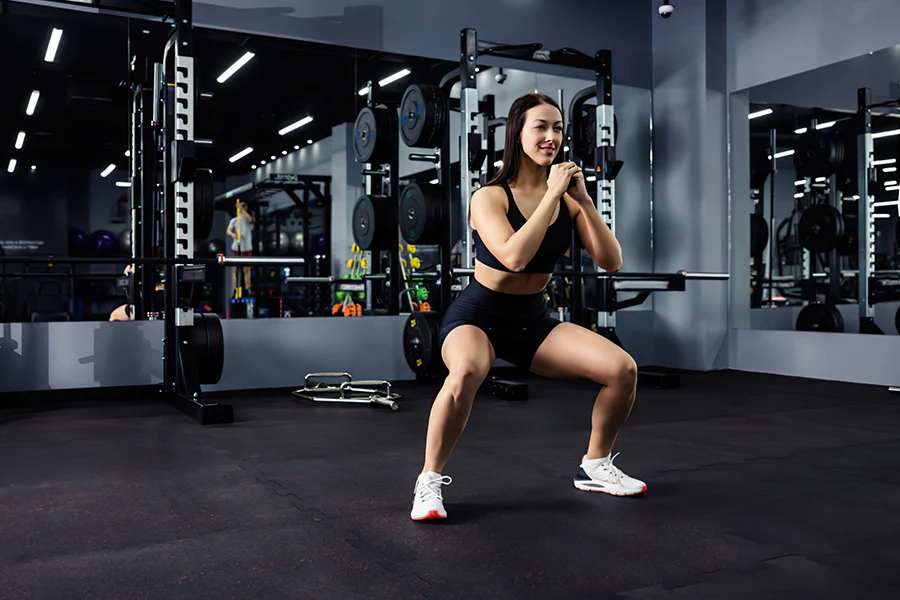
- Focus on compound lifts (squats, presses, rows) at manageable weights
- Gradual progression in resistance to avoid injury
Strength work doesn’t mean lifting like a bodybuilder. It means building foundational power to support daily tasks, maintain balance, and stay mobile.
Prioritising Joint Health and Mobility
As you age, mobility and joint health become central to how well you move and feel. Overly intense training without attention to movement quality can lead to discomfort or long-term injuries.
To keep joints healthy, your program should:
- Start every session with mobility-focused warm-ups
- Include controlled, low-impact exercises
- End with static stretching and deep breathing
For instance, shoulder circles, hip openers, and spinal mobility drills can prepare your body and prevent stiffness. This improves the quality of each workout while reducing post-session soreness.
The Power of Consistency Over Intensity
Fitness over 40 should focus more on regularity than intensity. It’s better to train moderately four times a week than to go all-out twice and then need extended rest. Singaporeans with work and family responsibilities benefit greatly from routines that offer flexibility.
A typical week could look like:
- Monday: Full-body strength session
- Wednesday: Cardio & flexibility combo
- Friday: Resistance circuits using light weights or machines
- Sunday: Recovery walk or mobility workout
This rhythm ensures sufficient recovery while keeping energy levels high throughout the week.
Cardiovascular Health and the Right Kind of Cardio
Heart health becomes a growing concern after 40. A gym fitness program should include cardiovascular training, but in a way that doesn’t place excessive stress on joints.
Some safe and effective forms include:
- Stationary cycling
- Rowing machines
- Elliptical training
- Brisk walking on an incline treadmill
Aim for 2 to 3 sessions a week, each lasting 20 to 30 minutes. Over time, this improves endurance, lowers blood pressure, and supports fat management.
Recovery Becomes a Strategic Priority
Unlike in your twenties, your body doesn’t bounce back as quickly after tough sessions. Recovery is not just passive rest but active recovery involving mobility, hydration, proper sleep, and nutrition.
Tips for faster recovery:
- Hydrate well post-workout with water or electrolyte drinks
- Eat a protein-rich meal within two hours of training
- Prioritise 7 to 8 hours of sleep per night
- Include yoga or deep stretching once a week
A good gym fitness program will plan for recovery days just as intentionally as workout days.
Mind-Muscle Connection and Mental Benefits
One often overlooked benefit of midlife fitness is improved mental clarity. Exercise enhances focus, mood, and emotional balance. Over-40s often train not just for their bodies, but for peace of mind.
Unlike high-intensity trends that leave you drained, a well-paced routine helps:
- Manage stress more effectively
- Reduce risk of anxiety or depression
- Improve memory and concentration
- Build mental resilience through discipline
As you move mindfully and focus on form, you’ll also gain a deeper awareness of your body’s needs and limits.
The Role of Trainers in Midlife Fitness
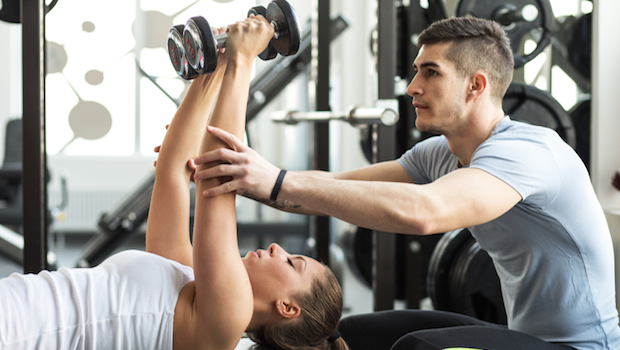
Working with a certified fitness professional becomes even more valuable as you age. They can help you:
- Identify your baseline mobility and fitness level
- Create a personalised program tailored to existing conditions or past injuries
- Offer regressions or alternatives to challenging movements
- Monitor your progress safely and gradually
A coach isn’t just a motivator—they’re a guide, especially during transitions in strength and stamina. At TFX, many clients over 40 benefit from programs that are not only effective but safe, structured, and progressive.
Adapting for Life Events and Health Changes
Life doesn’t pause for fitness, especially after 40. You may face periods of travel, illness, caregiving duties, or work transitions. The key is adaptability.
Good gym fitness programs have:
- Scalable intensity based on energy levels
- Flexible formats like circuit or class-based sessions
- Shortened versions for travel or busy periods
- Built-in mobility or low-impact alternatives
Remember, missing one or two workouts isn’t failure—it’s part of the plan when life demands flexibility.
FAQ: Real-Life Concerns for Over-40 Gym-Goers
Is it safe to start strength training at 45 or older?
Yes. Strength training is highly beneficial at any age. Start with machine-based movements or light dumbbells under professional guidance.
How many times a week should I train if I’m over 40?
Aim for 3 to 5 sessions a week, including at least two strength-based and one cardio session. Recovery days are just as important.
What if I’ve never followed a gym fitness program before?
Begin with beginner-friendly classes or personal training sessions. Focus on learning movement patterns before adding intensity.
I have joint pain—can I still follow a gym program?
Absolutely. Choose low-impact exercises and work around painful joints. Strengthening surrounding muscles often helps reduce long-term pain.
Do I need to do cardio to stay fit?
Yes, but it doesn’t need to be high-impact. Stationary bikes, rowing machines, and incline walks are excellent options.